
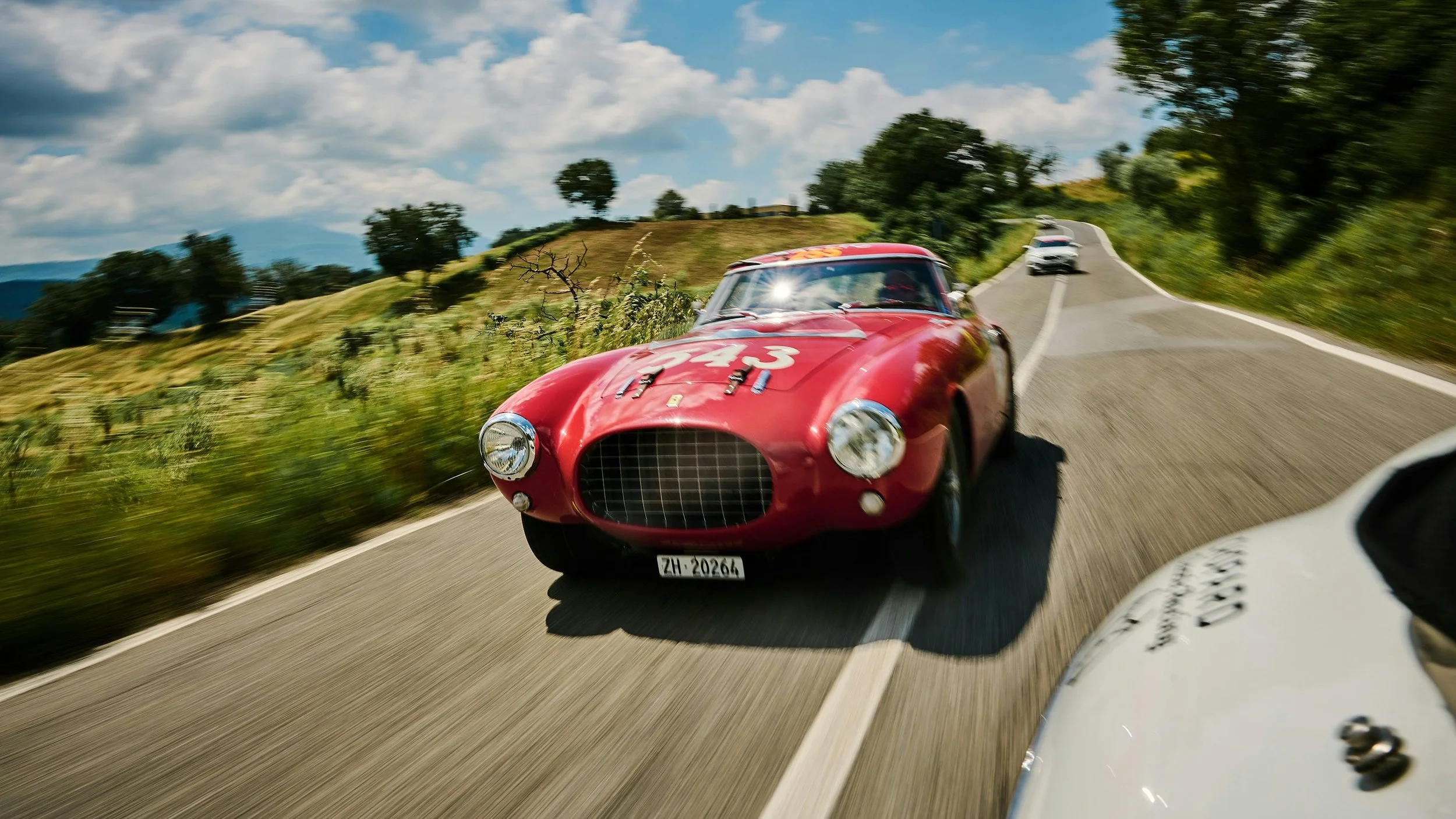
Muscle at the miglia
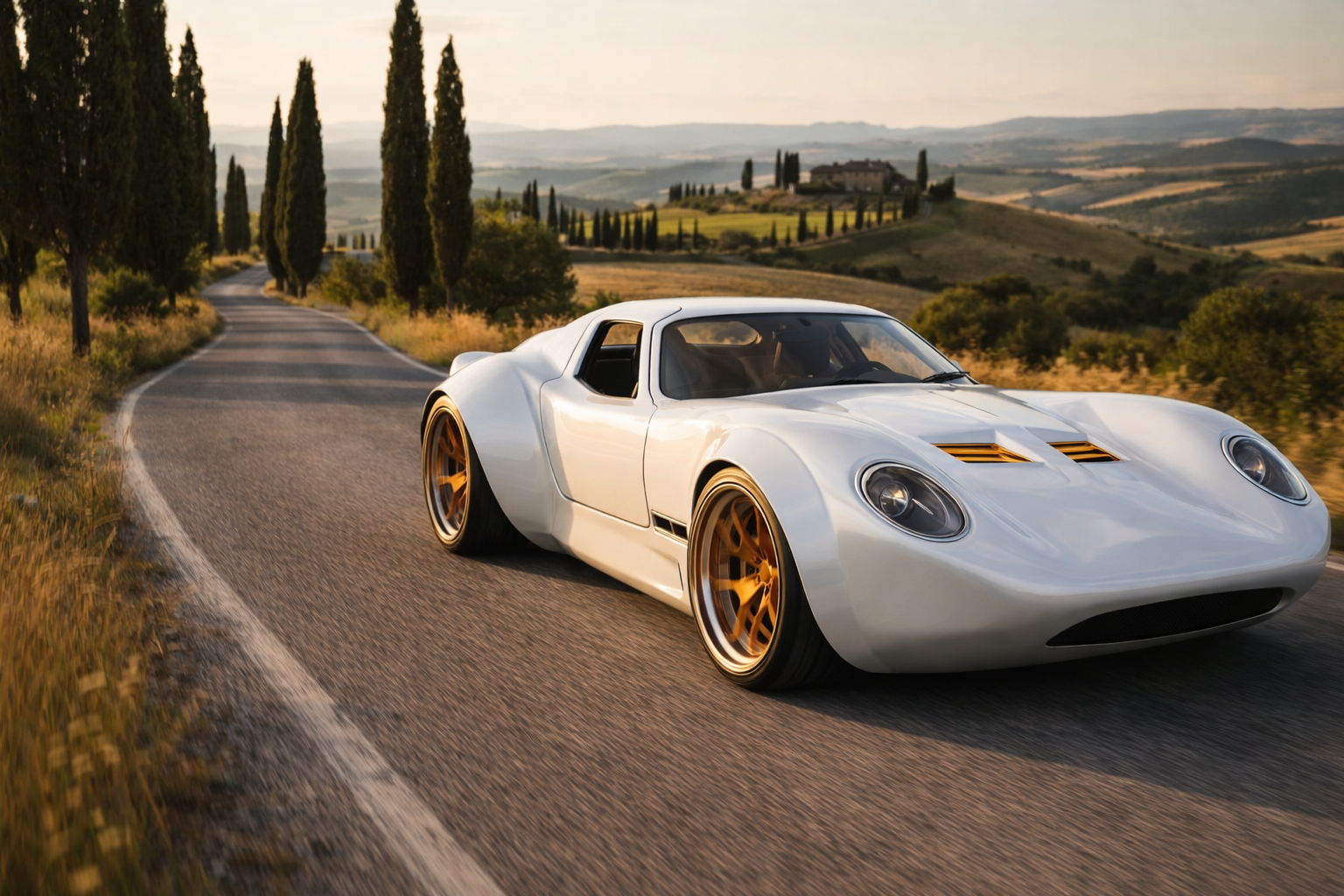
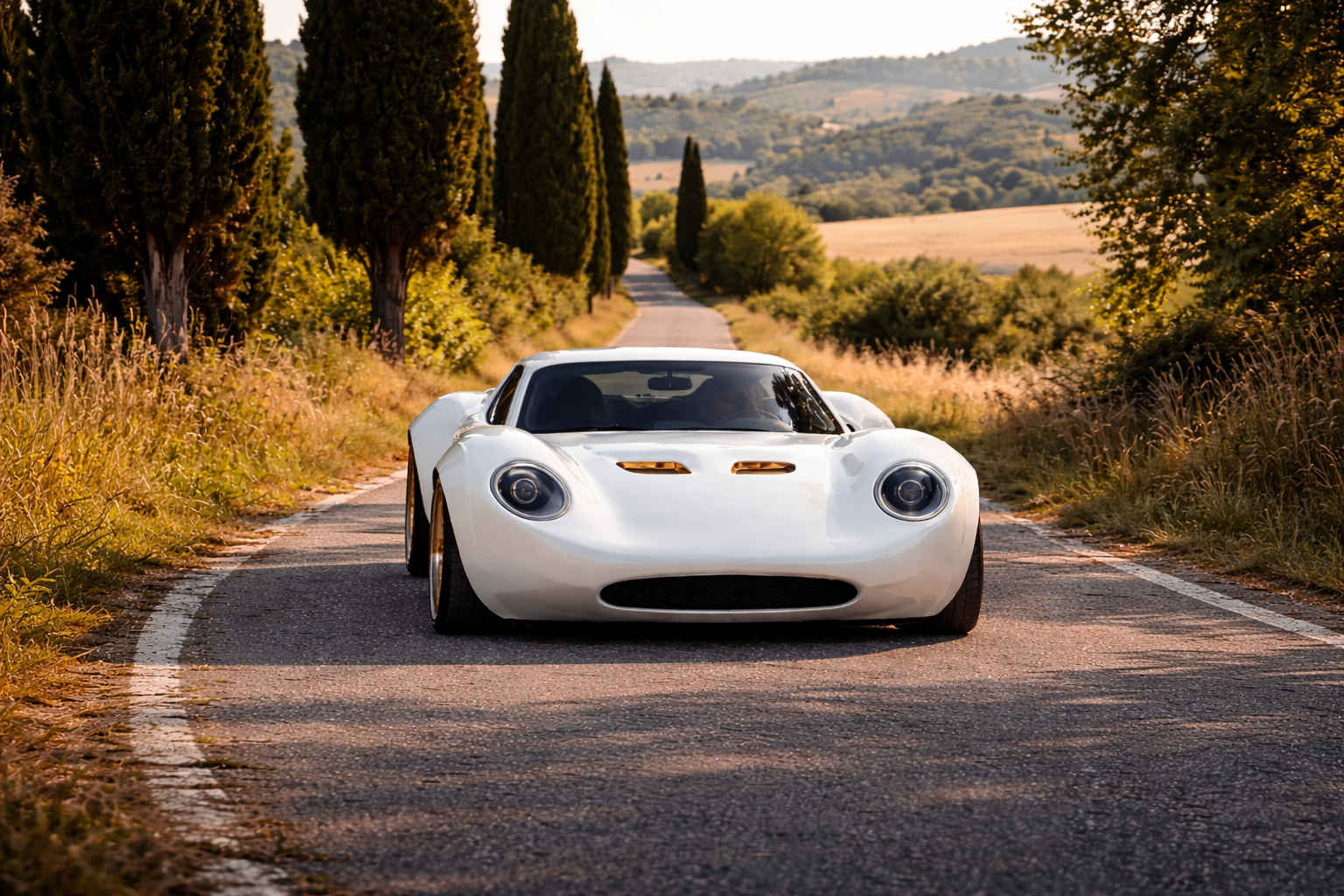
Muscle at the Miglia is our route week film project, following the 1000 Miglia roads in parallel while Italy turns into a rolling celebration of heritage and speed.
We are not in the official race. We are the American echo. A California built Vintage Supercar with a big V8 voice, slipping through the same hill towns and countryside stages as the classics. Picture small displacement elegance and chrome detail, then imagine the moment our car arrives with a deeper note, a wider stance, and a kind of confidence that feels handmade.
Our car has several times the horsepower of the average entry. That is not a boast. It is the contrast that makes the film worth watching. It is the sound of a new story moving through an old one, without disrespecting it.
We ship from California, handle the logistics in full view, and drive the route respectfully and legally on public roads while the week unfolds. You get the spectacle, the scenery, the people, and the miles.
We do not represent ourselves as official entrants in the 1000 Miglia. We are documenting the route, the culture, and the collision of worlds.
Rally Itinerary
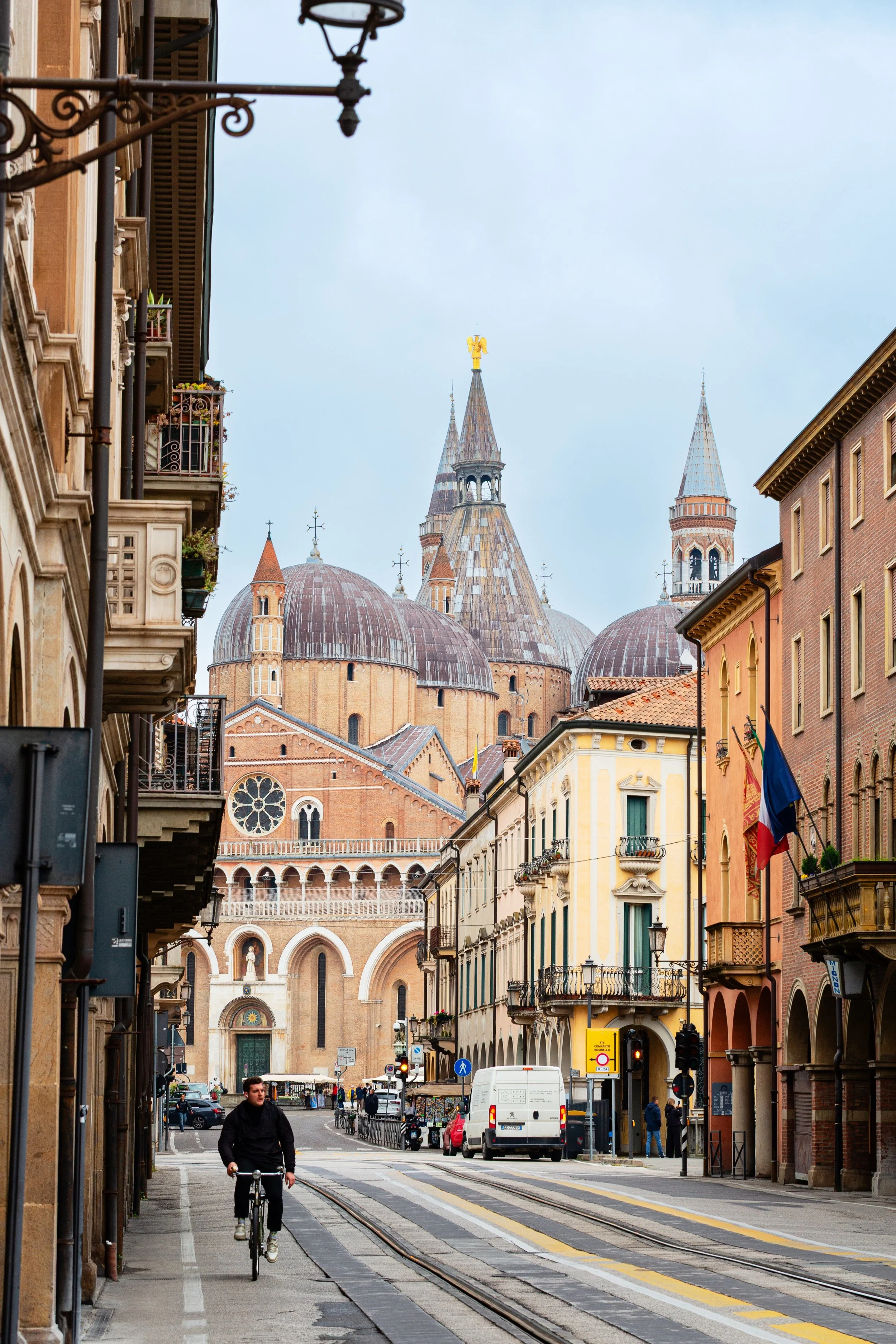
Day One (June 9): Brescia → Padua
The departure will take place in Brescia in the late morning. The cars will climb towards the Trompia Valley and the Gubbio Valley, before stopping in Lumezzane. After crossing the Cavallo Pass, the route will descend into the Sabbia Valley, skirt Lake Garda, travel through Vicenza and end the first day in Padua.
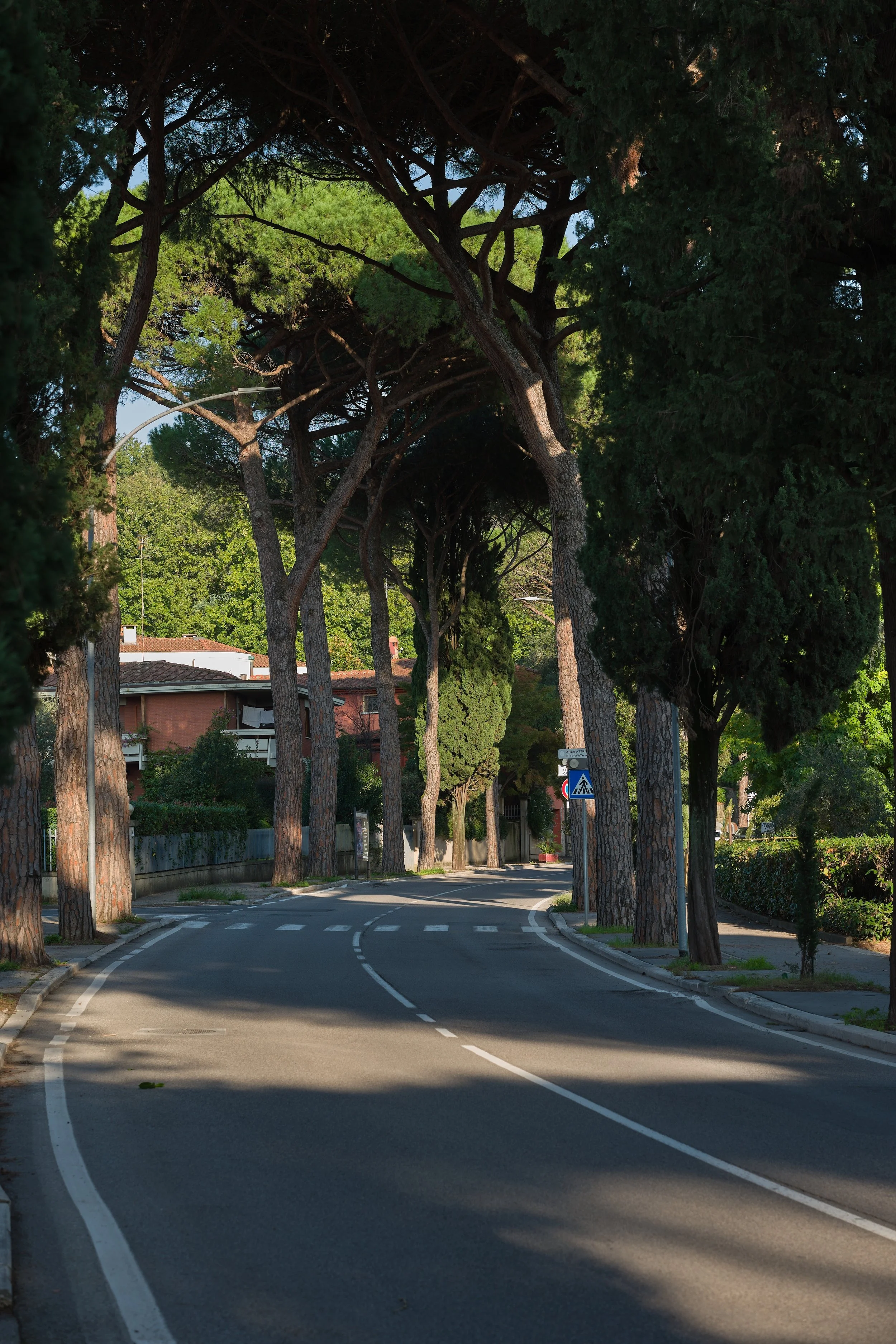
Day two (June 10): Padua → Montecatini Terme
The second leg will head west, passing through Ferrara, Modena, Reggio Emilia and crossing the Abetone Pass, before ending among the Art Nouveau buildings of Montecatini Terme.
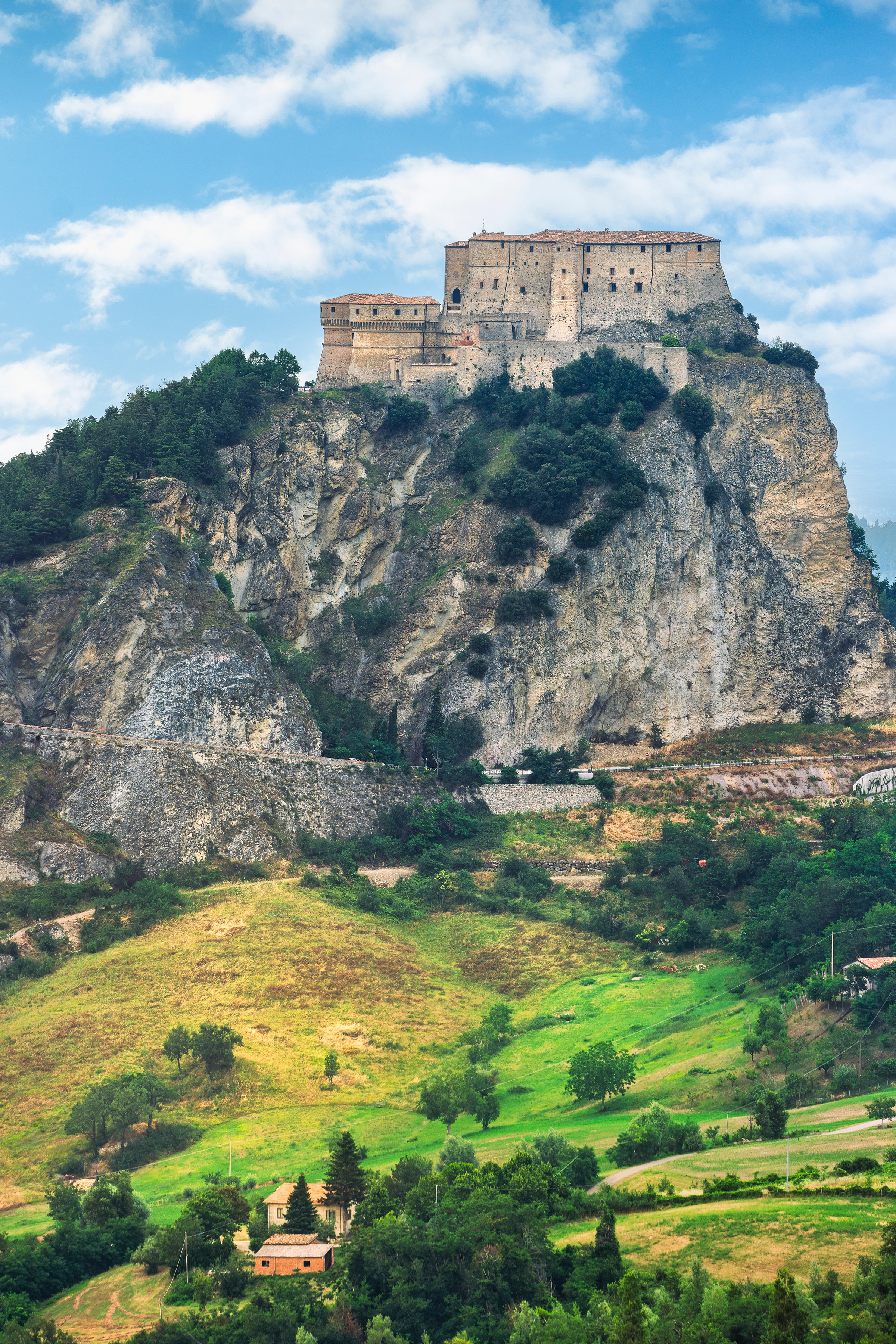
Day three (June 11): Montecatini Terme → Rome
The third day will start with a trip to Versilia, passing through Pietrasanta, renowned for its sculpture and contemporary art. After lunch in the famous Piazza del Campo in Siena, the cars will continue towards Lake Bolsena and Lake Vico, arriving in the capital, the traditional turning point of the race.
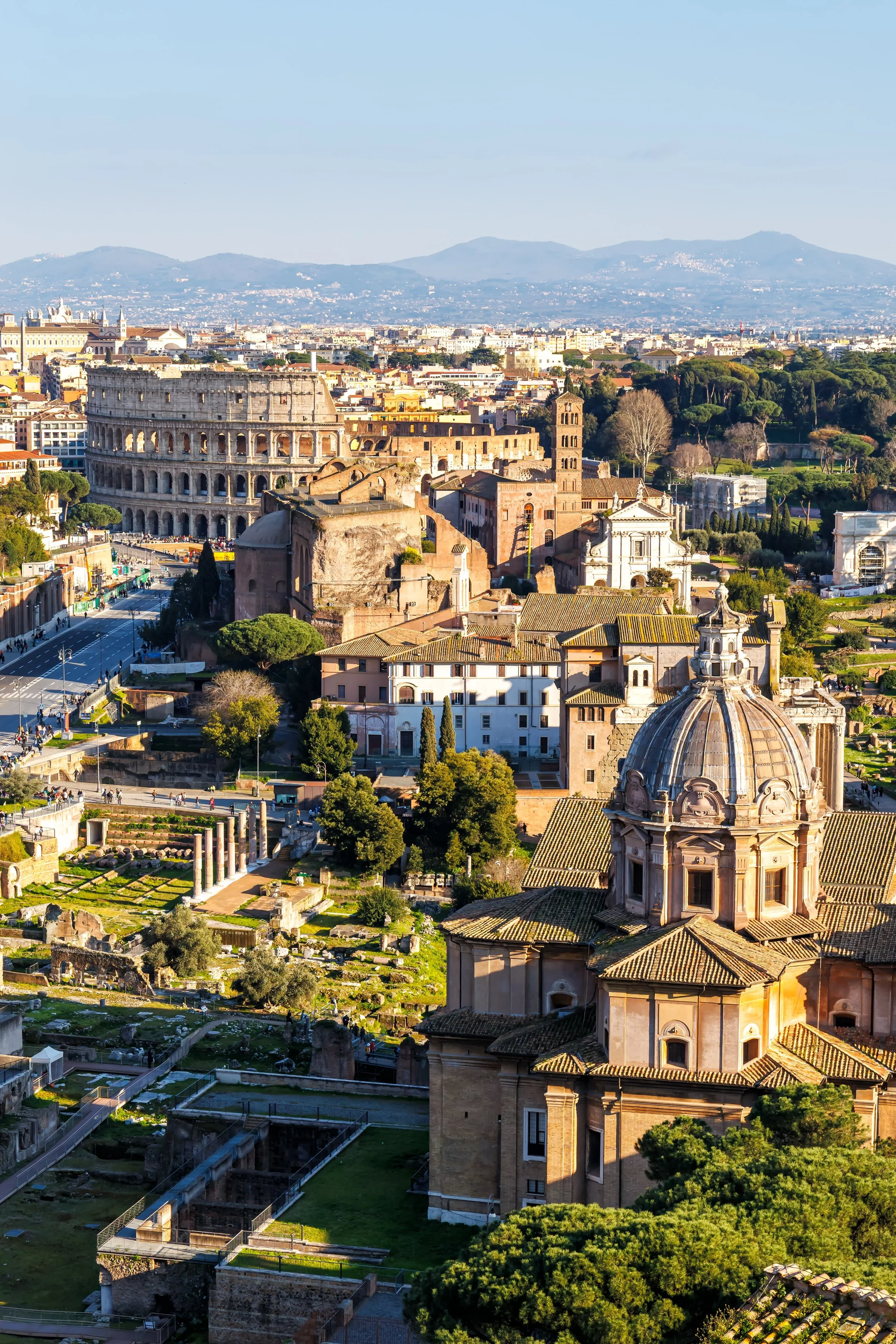
Day four (June 12): Rome → Rimini
The journey north will pass through Assisi, on the occasion of the eighth centenary of the death of St Francis, then stop for lunch in Gubbio and the spectacular passage through the Furlo Gorge, ending in Rimini, overlooking the Adriatic Sea.
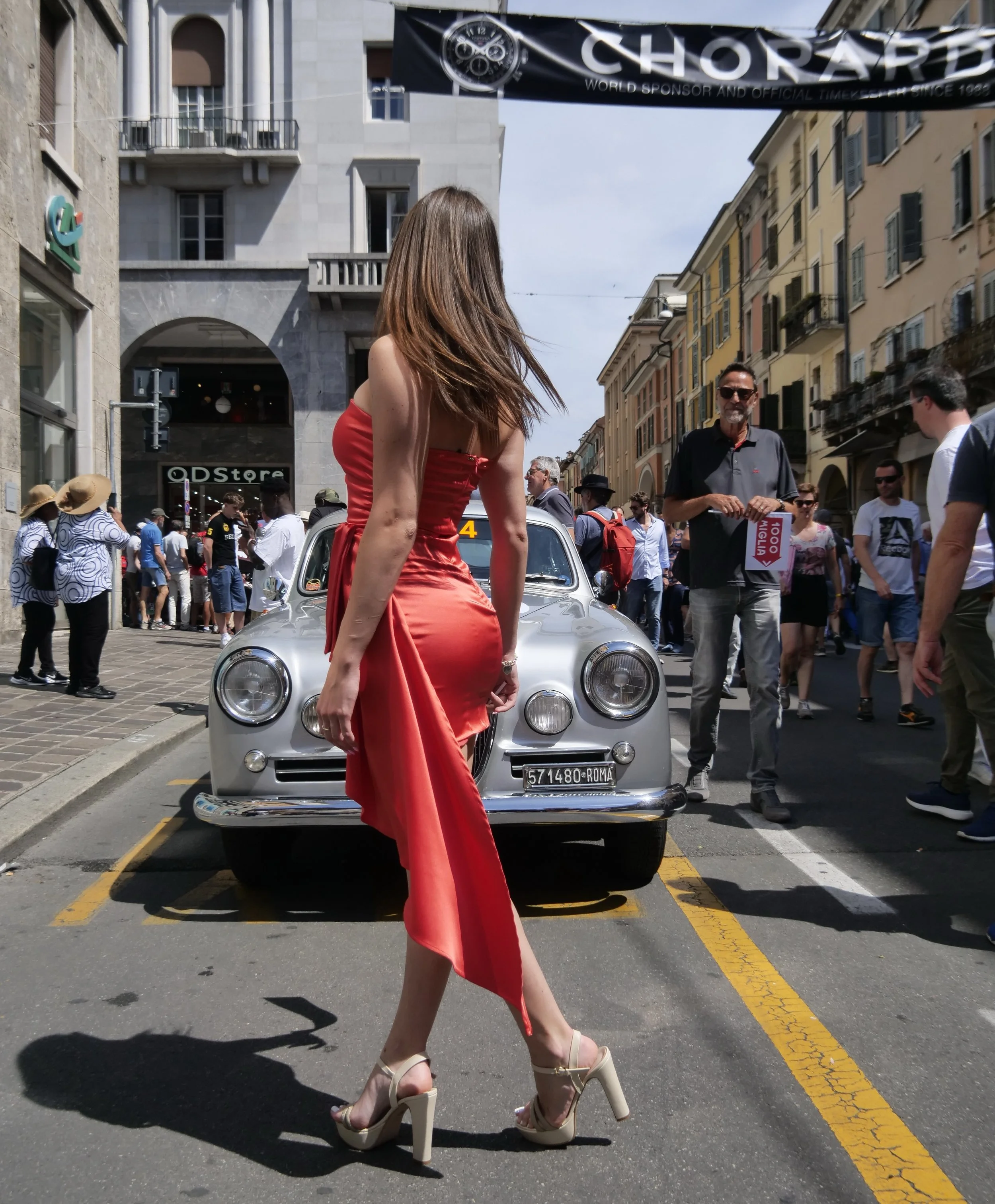
Day five (June 13): Rimini → Brescia
The last day of the official Mille Miglia will follow the cars through the salt pans of Cervia and Comacchio, then Ferrara, where the route will cross that of the southbound journey. After a stop in Mantua, the finish is scheduled in Viale Venezia in Brescia, where the 1000 Miglia historically starts and finishes.
Day six (June 14): Brescia → Castiglione del Lago
Our journey to our Italian home base will pass through Parma for a stop at a local cheese factory and farm, on to lunch in Lucca before heading through Florence to Castiglione del Lago.

FAQs
What cars are you taking on the rally?
We’re taking our hero car, the Banshee AKA IL Lupo Nero. It’s a California built Vintage Supercar with a classic 1960s silhouette and a modern Chevrolet LS3 drivetrain paired to a T56 manual. Built for real miles and real roads, this car is exactly what the Muscle at the Miglia demands.
Do you need special insurance or a driver’s license to drive the route in Italy?
No special license beyond what a U.S. driver needs to drive legally in Italy. I travel with my valid U.S. driver’s license and an International Driving Permit, and I keep both with me any time I’m behind the wheel.
On insurance, yes, I do need proper Italy and EU compliant coverage, and I will have it in place before the car turns a wheel on the route. I’ll carry proof of coverage with the car the same way any responsible driver would.
I’m also in active talks with Hagerty to secure the right Italian insurance solution for this project, because this is a specialty car and I’m treating the logistics with the same seriousness as the build.
What level of driving experience do you have?
I’ve been building and driving small, high power cars for more than 35 years. That includes plenty of seat time in lightweight cars with serious horsepower, and track driving at racetracks throughout California. I’m comfortable managing a car that’s quick, loud, and unforgiving if you treat it casually.
I’ve also been driving the back roads of Italy for over 10 years. I know what those roads demand: tight towns, narrow lanes, changing surfaces, blind corners, and the rhythm of how Italians actually drive. This project isn’t me “trying something new.” It’s me doing what I’ve already done for years, just with a bigger story and a camera rolling.
How does shipping, customs and timing work?
I handle shipping like a production, not a gamble. The car ships from California through a professional vehicle shipper and freight forwarder, and I lock the timeline early so we are not rushing at the last minute.
Customs is managed through the forwarder and a customs broker. They prepare the export and import paperwork, coordinate inspections if required, and clear the car into Italy before it ever touches the road. I carry duplicates of every key document in both digital and printed form.
Timing wise, I am building backwards from the June start date. Shipping and customs clearance are scheduled far enough in advance to allow for delays, local registration and insurance steps, and a full shakedown in Italy before we begin the route week.
What on route support and safety measures are provided?
I run this like a real road program, not a casual joyride. Before we ever get to Italy, the car goes through a Europe ready shakedown so I am not discovering problems on the side of the road.
On route, I carry a focused road kit with the tools, spares, and fluids that matter for this car, plus proper safety gear. I drive conservatively through towns, save the harder driving for open roads, and I map service points and towing options in advance so support is never an afterthought.
I also own a home in Italy and have friends there, so I have a local support network and a solid base to operate from.